

In a lot of car accidents, the only witnesses are the drivers of each vehicle—no passengers or other bystanders were around to see what happened. So what happens when each driver tells a different story about what happened? Does that mean that an injured person won’t be able to prove the other driver was negligent? Possibly, but not necessarily. Many people aren’t aware that most cars from the last 15 years or so have small computer modules in them that record the vehicle’s data after detecting an impact, and this data can provide powerful evidence about what the driver of the car was actually doing.
What data do cars capture?
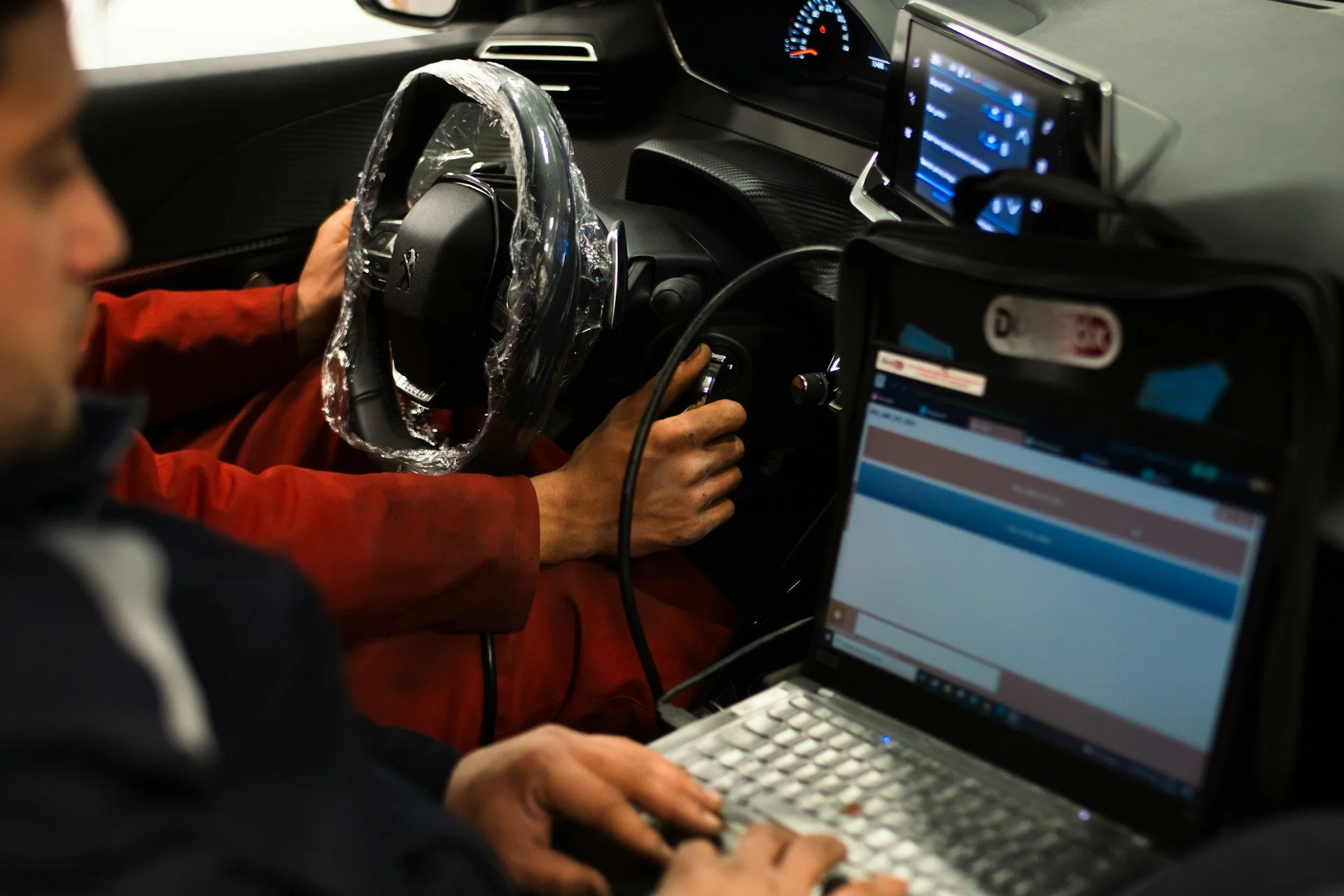
Modern cars are usually equipped with an Event Data Recorder (EDR), which is often referred to as the car’s “black box.” However, it doesn’t have data for the car’s entire driving history. Here’s how it works: the EDR detects an impact of some kind to the vehicle, and when it does that, it triggers a recording of data about the vehicle in the seconds leading up to that impact and afterwards. One thing this means is that if there is no data, then that’s potentially evidence that an impact never even occurred, or it was more minor than someone had stated.
The data that the EDR can capture includes:
orientation of the wheels and steering wheel
speed leading up to the impact
whether and how the brakes were applied
whether and how the throttle was applied
seat belt usage
engine RPM
G-forces experienced by the vehicle (which can help establish which direction the car was moving or hit from)
airbag deployment data
While this is how the EDR works in everyday cars that we drive, it can vary by type of vehicle. For example, commercial 18-wheeled tractor-trailers usually have something called an Electronic Control Module (ECM) and some other systems instead of an EDR, and they record different data in a different way. Instead of requiring an impact to trigger a recording of data, a tractor-trailer’s systems often start recording data if sudden, heavy braking is detecting. This means that there can be data showing, for instance, how the truck was driving before braking to avoid a crash with another car.
How can vehicle data help in a personal injury case?
You can probably imagine how useful this data could be when the parties involved in a personal injury case are trying to really figure out what happened if each driver’s story is irreconcilable with the other’s.
Suppose that you were driving along a road under the speed limit when suddenly a car from a side street who was facing a stop sign t-bones you in the intersection. That driver is now saying that you were driving 20 miles over the speed limit, so they didn’t see you coming. If we obtained the data from your vehicle, it would provide incredibly valuable evidence and show that you were telling the truth about your speed when the impact occurred. And if we got the other vehicle’s data, it could show that the other driver never stopped at the stop sign. This kind of evidence would likely resolve any disputes about who is liable for the crash.
Additionally, this data can also be used to lay the foundation for accident reconstruction by a qualified expert witness. Visuals are very powerful for juries, and the data, along with photographs of the scene, the vehicles, and the testimony of the drivers, can serve as a basis to visually reconstruct the crash with computer animations. This not only could give a better sense of how the impact actually occurred, but also show the severity of the crash too. However, it’s important to note that accident reconstruction can be challenging to admit into evidence, so it requires an expert witness who is trained in this data analysis and other areas to better ensure its accuracy.
The data may not last forever
It’s critical to understand that vehicle data can be lost if it’s not captured or preserved in some way. If a vehicle is salvaged or repaired before the data is downloaded, it may become unavailable or overwritten, so you must determine quickly whether the data is necessary to acquire. Retaining a skilled personal injury attorney can significantly help make that decision and ensure the data’s preservation. In addition, as stated above, getting that evidence requires an expert witness who can be expensive to hire, which an attorney can also help with.
Conclusion: why the crash data matters
Insurance companies are supposed to rely on evidence when deciding whether to accept or deny liability for a car crash claim, so the objective data from a vehicle can sometimes make the difference between a disputed claim and one that settles with less controversy.
An experienced personal injury attorney can investigate the accident, preserve critical evidence, and determine whether crash data may help support your claim. At Puglielli Injury Law, we will evaluate your case, explain your legal options, and help identify the evidence needed to pursue the compensation you deserve.
