

Uninsured Motorist Coverage Could Protect You After a Hit-and-Run in Virginia
VRPC 7.1 Disclaimer: While browsing this website, please bear in mind that it is for informational purposes only; none of the information is intended to constitute, nor does it constitute, legal advice. You should not act or refrain from acting on the basis of any content included on this website without seeking the appropriate legal or other professional advice based on the facts and circumstances of your situation from an attorney licensed in your state. Additionally, this website is available to the public and does not create an attorney-client relationship with those who visit it.
Becoming injured in a hit-and-run accident can be a frustrating experience, especially if you’re unable to get any identifying information about the driver or their car. This may leave you feeling like you have no options to pursue compensation for your injuries, but, fortunately, there may be insurance coverage you can use. In Virginia, the law requires every auto insurance policy to have “uninsured motorist” (UM) coverage, which can be a source of coverage for hit-and-runs and other types of accidents. In this article, I’ll explain what UM coverage is, when it applies, and some tips if you’ve become a victim of a hit-and-run.
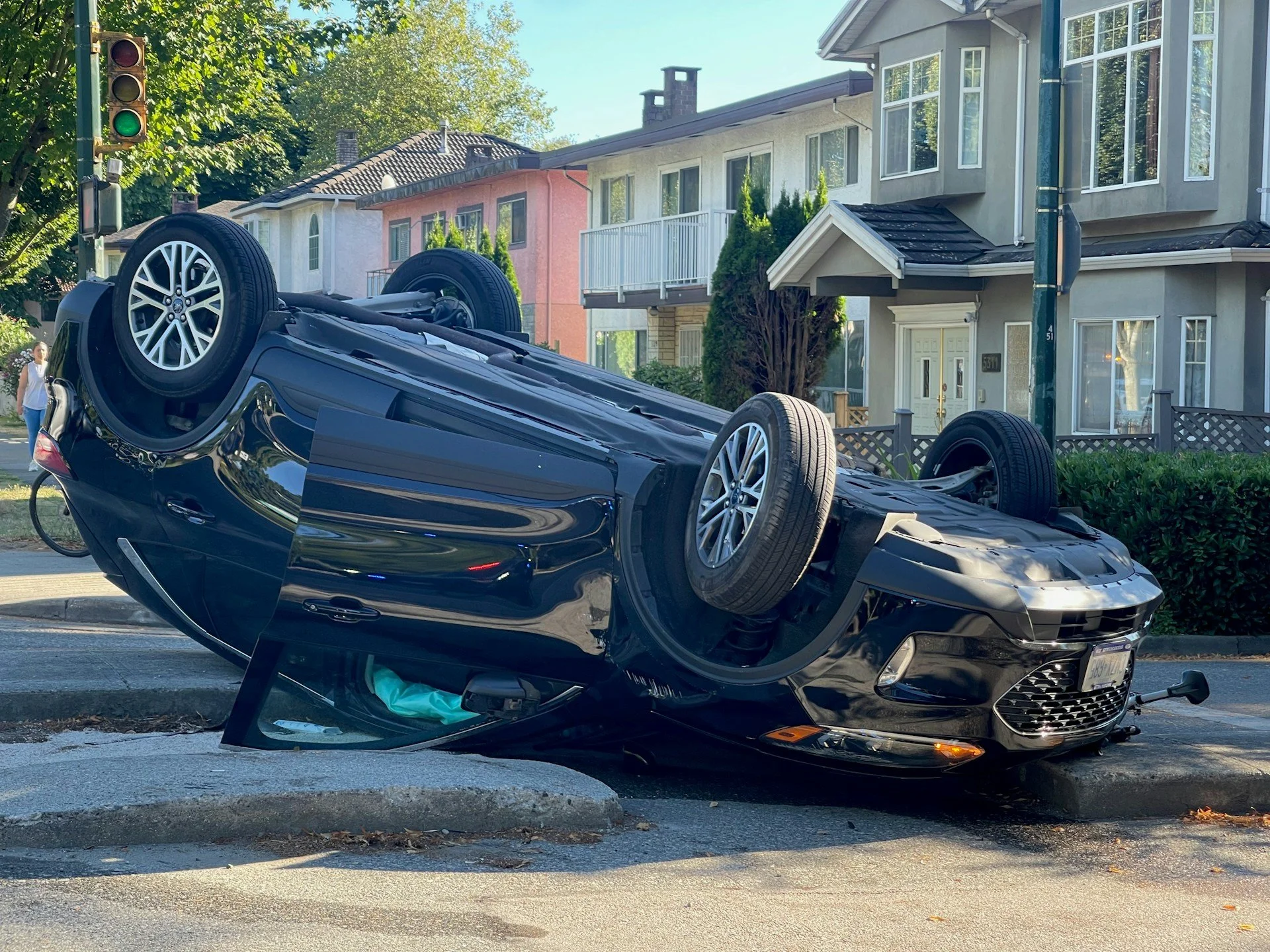
First, what is a hit-and-run?
A hit-and-run is occurs when a driver involved in a crash flees the scene without stopping to exchange information, render aid, or comply with other legal obligations. Sometimes, a witness has some identifying information about the driver or their car or there is some surveillance footage, but other times, the driver remains unidentified. These situations would be classified as a hit-and-run.
Similiar to a hit-and-run is a “miss-and-run,” which occurs when a driver causes someone else to crash but never actually makes contact with that driver. For example, if you were driving straight through a green light and a driver in an oncoming lane suddenly turns left in front of you causing you to swerve and crash your car, that would be a miss-and-run. These happen frequently too.
How does uninsured motorist (UM) coverage work?
In Virginia, every auto insurance policy is required to have UM coverage. This means that if you own a car with a Virginia insurance policy, then you have this coverage. The main purpose of this type of coverage is to help make sure that you can recover compensation if you get injured by another driver who doesn’t have an insurance policy. And, fortunately, Virginia law says that unidentified drivers qualify as uninsured drivers, which is why this coverage can be so critical in a hit-and-run accident. Importantly, physical contact isn’t required for UM coverage to be triggered, so this coverage may be available in miss-and-run accidents too.
Just as if you were pursuing a claim against an at-fault driver’s insurance policy, UM coverage can help compensate you for things such as:
medical bills
lost wages
pain and suffering
However, just because it’s your own insurance company doesn’t necessarily mean that they automatically agree with your claims for damages. If there’s a dispute that can’t be resolved, a lawsuit may be necessary to try and recover compensation.
In addition to UM coverage under your own policy, there are some situations in which you may be able to pursue UM coverage under other car insurance policies. For example, under Virginia law, if you live in the same household as a relative, and a relative has a Virginia car insurance policy, then you may qualify for UM coverage under their policy too—however, whether someone is a “resident” is a highly fact-specific and circumstantial question that is not as simple as it might seem.
It’s also important to know that UM coverage does not require you to be in your own car when the hit-and-run (or other accident) happens. Generally speaking, if you have a Virginia car insurance policy, your UM coverage follows you when you’re in someone else’s car, riding a bike, or even walking as a pedestrian. The key question is whether the at-fault driver is uninsured or unidentified. This means that if you’re a passenger in a friend’s car or driving a work vehicle, you might be entitled to coverage under your friend’s or company’s policy in addition to your own policy.
What should you do after a hit-and-run accident?
There are some steps you can take to help with your claim for UM coverage and potentially identify the responsible driver later.
Call the police immediately after the crash. Virginia law requires the victim of a hit-and-run or miss-and-run accident to report the incident immediately (or as soon as possible) to the police or the victim’s car insurance company. When reporting to the police, it can be helpful to provide as much identifying information that you may have to them.
Seek medical attention as soon as possible if you’re injured. Even if the injuries seem minor, it can be a good idea to get checked out because some injuries can develop into more serious conditions later. Immediate medical attention helps establish a connection between the accident and your injuries as well.
Gather as much evidence as possible from the scene. If you’re able to safely do so, take photos of the intersection, your vehicle’s damage, the hit-and-run driver’s vehicle (sometimes they can hesitate to flee), skid marks or debris, your injuries, and take note of where the incident occurred.
Open a claim with your car insurance company. As stated in the first tip, Virginia law requires a hit-and-run or miss-and-run to be reported to the police or your UM car insurance carrier. The terms of your policy may require a prompt reporting of the claim too.
What if the driver is identified later?
If somehow the at-fault driver is later identified, your policy may still be able to help you.
First, insurance companies sometimes dispute hit-and-run claims because they can lack sufficient evidence to prove it happened, so identification of the driver can help support your claim if there’s other evidence available too.
Second, if the driver has no insurance, then the UM coverage should function as explained in this article.
Third, if the driver does have insurance, then that’s good news! It means you should be able to pursue a claim against their insurance company. And, your UM coverage may still be applicable because Virginia law also permits it to become “underinsured motorist” (UIM) coverage, which means that if the other driver doesn’t have sufficient coverage to fully satisfy your claim for damages, then your own policy may be able to provide coverage. This will depend on the specific facts of your case and the terms of your policy.
Conclusion
If you’ve been injured in a Virginia hit-and-run accident, don’t automatically assume the driver's disappearance means you’re out of options. Because an unidentified driver is generally treated as an uninsured motorist in Virginia, you may have access to valuable coverage under your own car insurance policy (or someone else’s policy) that can help compensate you for your medical expenses, lost income, pain and suffering, and other damages. The key is to act quickly, report the crash to the police/your insurance company, and understand the insurance benefits that may be available.
An experienced Virginia personal injury attorney can help investigate the accident, look for all potential sources of insurance coverage, and fight for the full compensation you deserve.
